Keren Elise Jacob
UI/UX designer in the UAE


Story time
Long story short. Okay, medium.
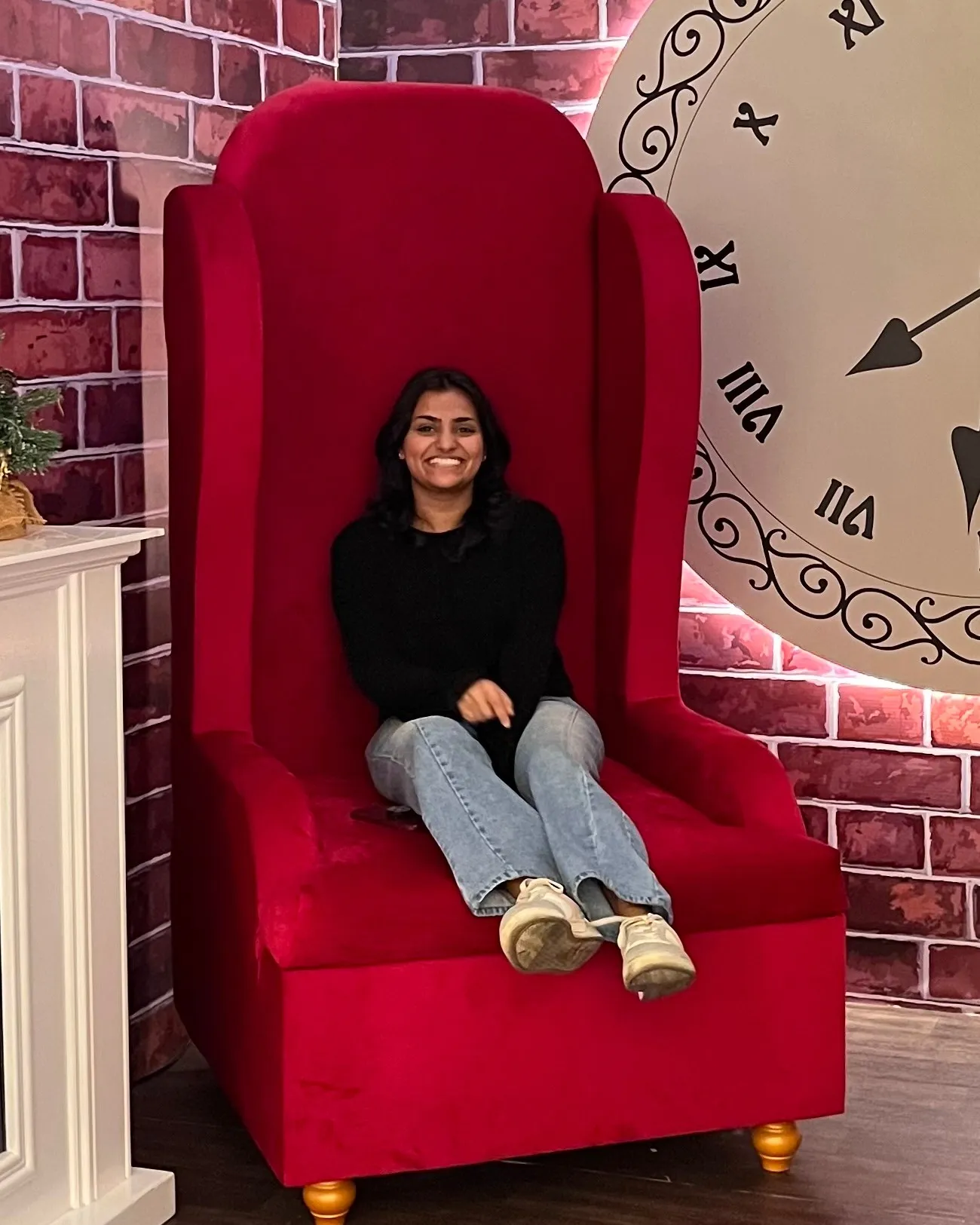
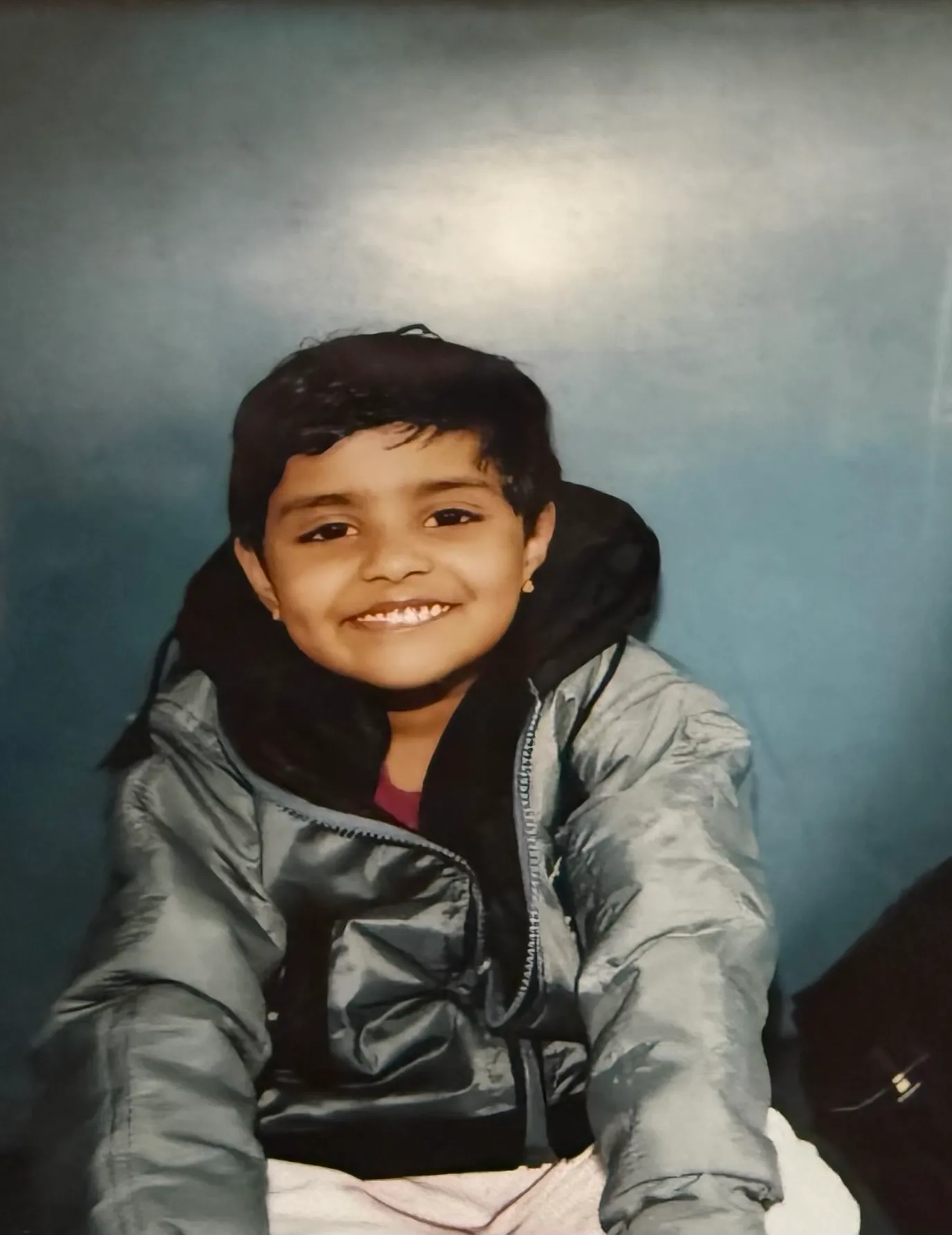
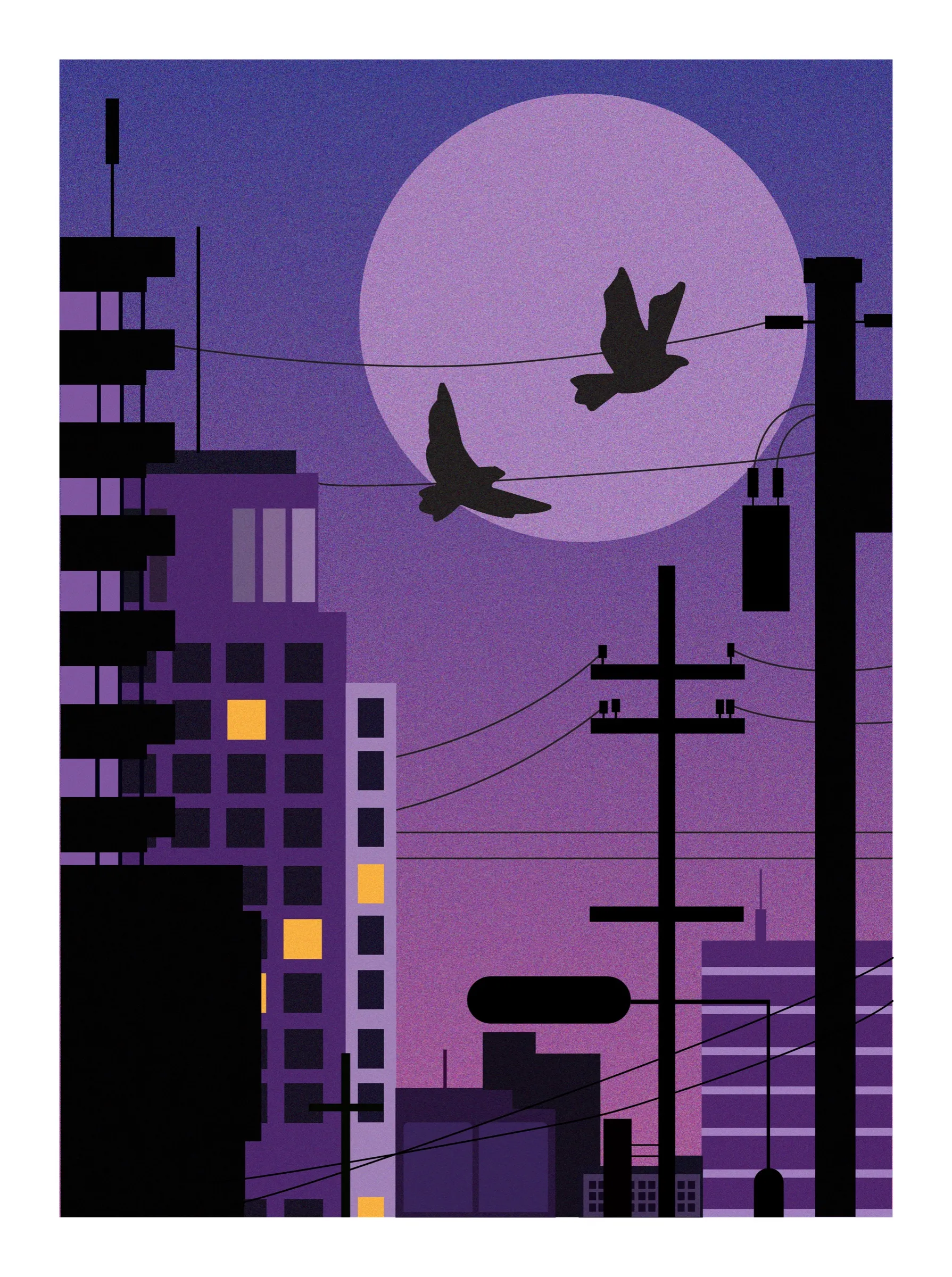
I've always been drawn to the small moments that make something feel curious, thoughtful or unexpected. That started with painting when I was young and slowly grew into a way of looking at the world through making, observing, questioning and experimenting.
Over time, I've learned to pay closer attention to people and what is happening around me, while working across mental health and fintech showed me how much responsibility and empathy sit behind good design. I've also learned how to make decisions, understand trade-offs and know why one direction makes more sense than another. Today, I'm interested in creating experiences that feel considered, human and bring a little more wonder into the everyday.
Core skills
Things I'm good at (allegedly)
Design & Strategy
- Information ArchitectureMapping structure, navigation, and content hierarchies.
- User FlowsCharting user journeys, task paths, and interaction logic.
- PrototypingBuilding low-to-high fidelity interactive models.
- User ResearchConducting interviews, usability testing, and persona creation.
Software & Tools
- FigmaFor UI design, component systems, and layout.
- MiroFor brainstorming, wireframing, and mapping user flows.
- ProtoPieFor high-fidelity micro-interactions.
- Adobe IllustratorFor illustration, icons, and vector graphics.
- Adobe PhotoshopFor image editing and visual polish.
My design process
How I work
Understand the problem.
Interviews, research and the data that exists. I keep asking why until I find where the problem actually starts.
It helps me sort and cluster interview notes. I check every pattern against what people actually said.
Map the system.
Who's involved, what each person decides, where the process breaks or carries risk.
Define and decide.
Frame the problem, set what success looks like, and choose the trade-offs out loud.
Explore.
Several directions first, then narrow them to the few worth building.
I start from AI drafts that already know the context, so I never begin with an empty screen. That means quicker iteration to reach the goal.
Prototype.
Interactive prototypes close enough to real that people react honestly.
Test and refine.
Put it in front of real users, measure what happens, and change what doesn't work.
Hand off.
Specs, edge states and notes, so what gets built matches what was tested.
Experience and education
Where I've worked and studied
Experience
- FenusUI/UX DesignerFeb 2024 – Aug 2025
- Mind & Brain HospitalUI/UX InternMay 2023 – Jun 2023
Education
- Heriot-Watt UniversityMaster of Science in Design ManagementSep 2025 – Aug 2026
- Strate School of DesignBachelor of Science in Interaction DesignSep 2021 – Jun 2024